Task-specific demonstrations.
Define the actions, environments, and variation that matter. Build a collection brief with instructions contributors can follow.
The scope starts with your research question.
For robotics & physical AI teams
Task-specific human demonstrations, captured on iPhone and annotated with context.
Circuit board. Scroll down to reveal the 3D mesh; scroll up to return to the human view. Illustrative AI-generated footage.
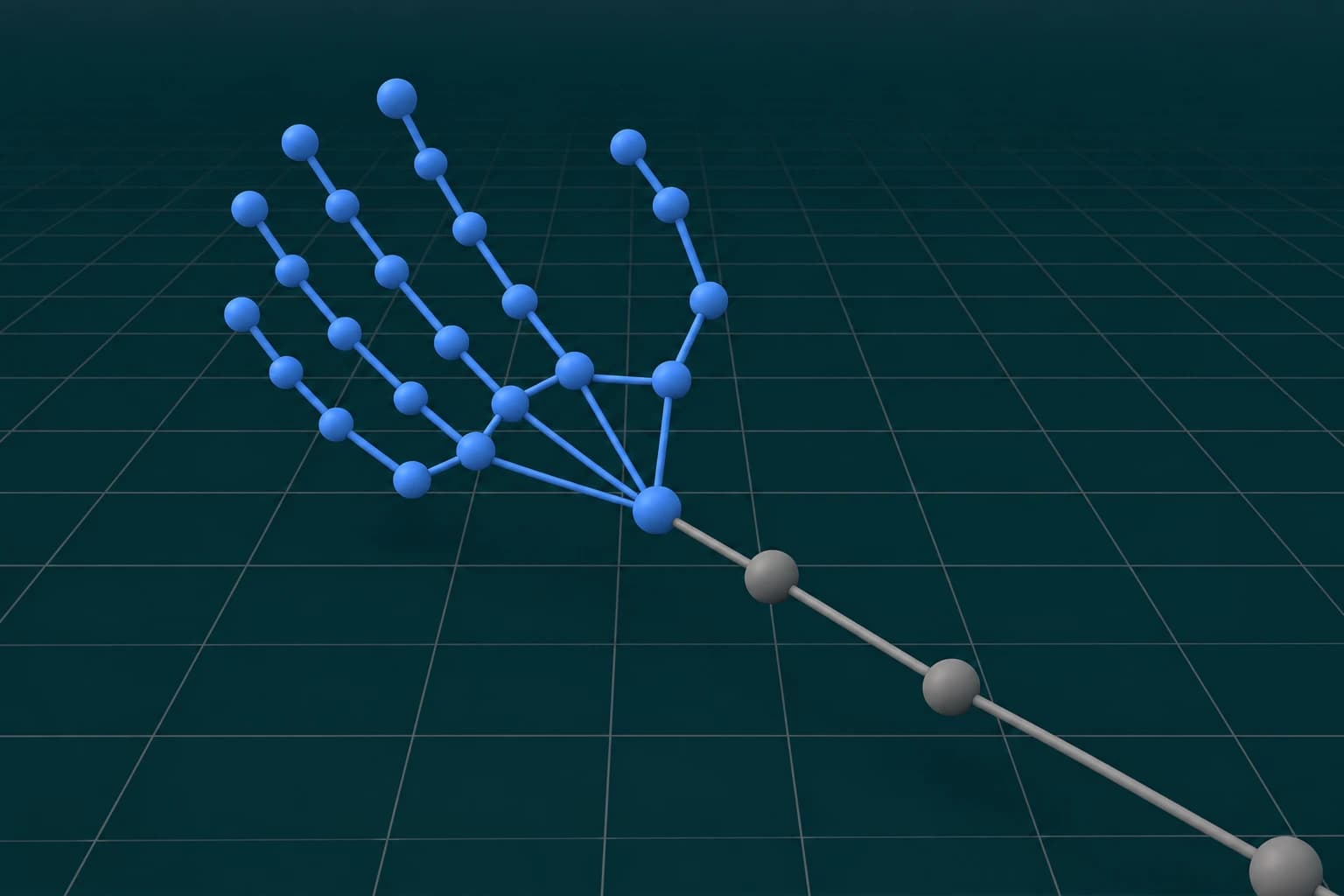
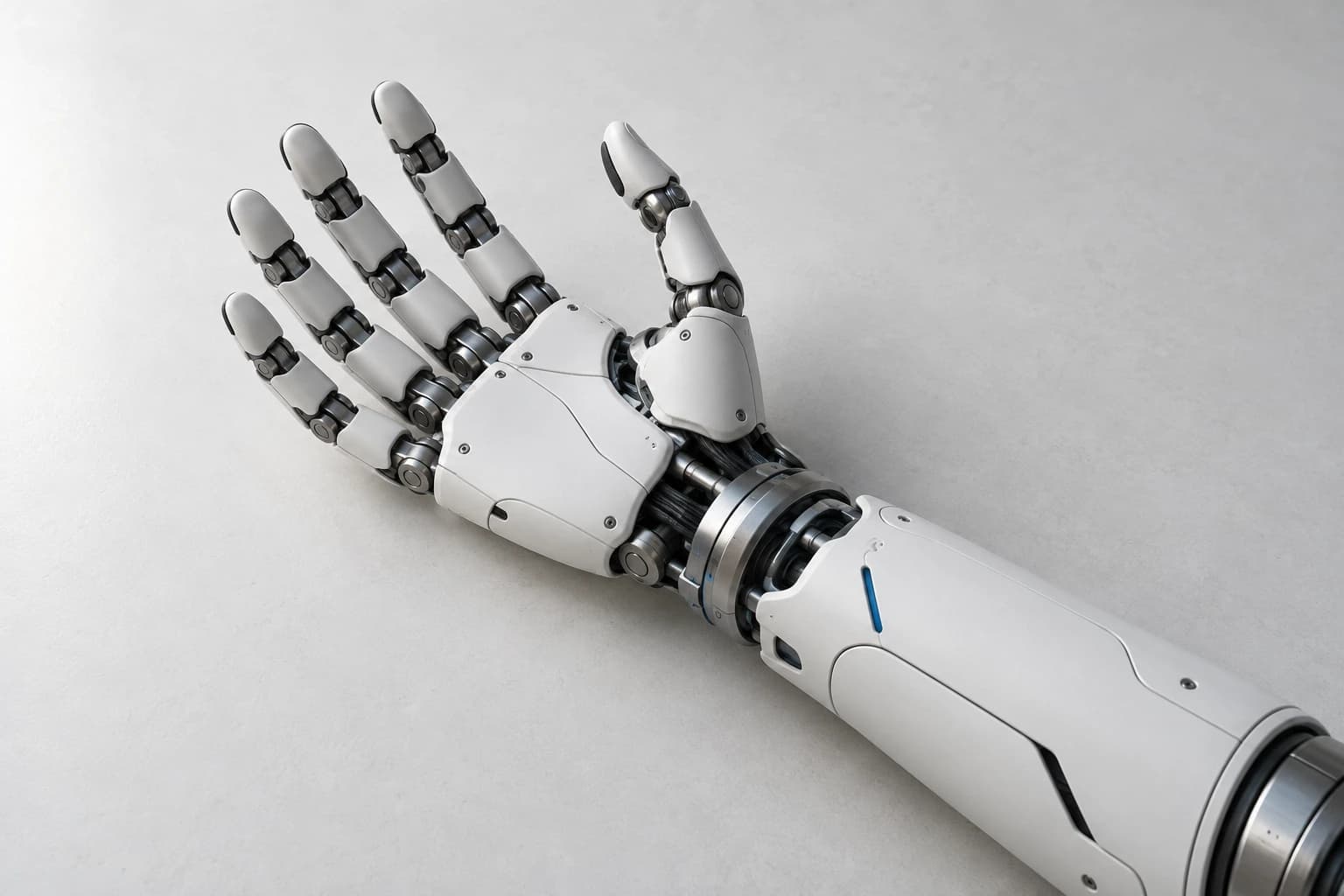
Phone recordings aren’t robot trajectories. Their value depends on the task and learning setup. A pilot is a chance to measure that fit.
Built around your task
Shape the collection, annotations, and review around a concrete experiment.
Define the actions, environments, and variation that matter. Build a collection brief with instructions contributors can follow.
The scope starts with your research question.
Action segments, key moments, and task metadata keep the recording connected to what happened.
Every recording includes synchronized RGB, camera pose, and intrinsics. LiDAR-equipped iPhones add depth, confidence, 3D point samples, and depth-grounded hand estimates.
A focused first experiment
Small pilots. Specific learning goals. An agreed way to evaluate the result.
Share your task and learning setup. Agree on the demonstration requirements and what a useful first experiment would show.
Start with the action, setting, variation, and evidence your team needs.
Agree on scope before collection
Build task instructions for phone-recorded demonstrations. Specify the action segments, moments, and metadata to capture alongside them.
Keep recordings, annotations, and task requirements connected throughout review.
Task-specific annotation requirements
Review against the agreed brief, select demonstrations, and establish the evaluation and delivery requirements together.
Use the pilot to learn whether these demonstrations are useful for your task and training setup.
Human review before dataset selection
We’re building the pilot with care. Here’s where things stand.
Ask us something elseStart a conversation
Tell us about your team, your task, and what a useful first experiment would look like.
Prefer email? hello@opnflr.comStart with the problem. We’ll work from there.