

For hospitals & health systems
Less routine work.
More room for care.
We work alongside your team to identify routine tasks, capture staff expertise, and bring robotics partners into a measured hospital pilot.
The recording
Real recording. Real data.
Captured on iPhone. Explore the video, processed hands, depth, camera motion, and IMU from the same real-world recording.
Not illustrative, this is real data
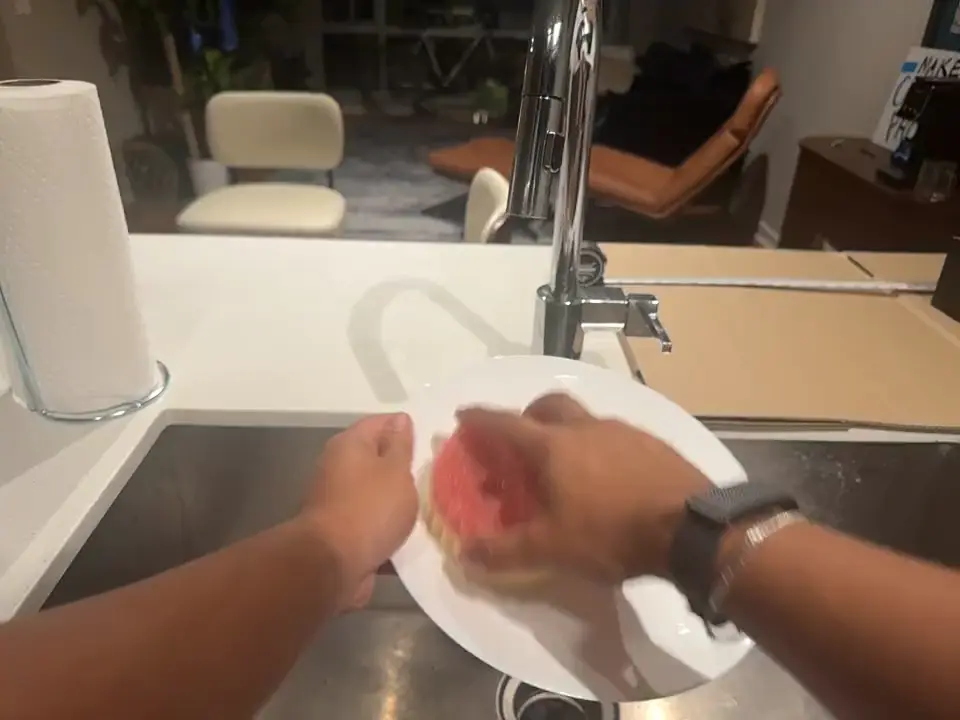
loading live capture
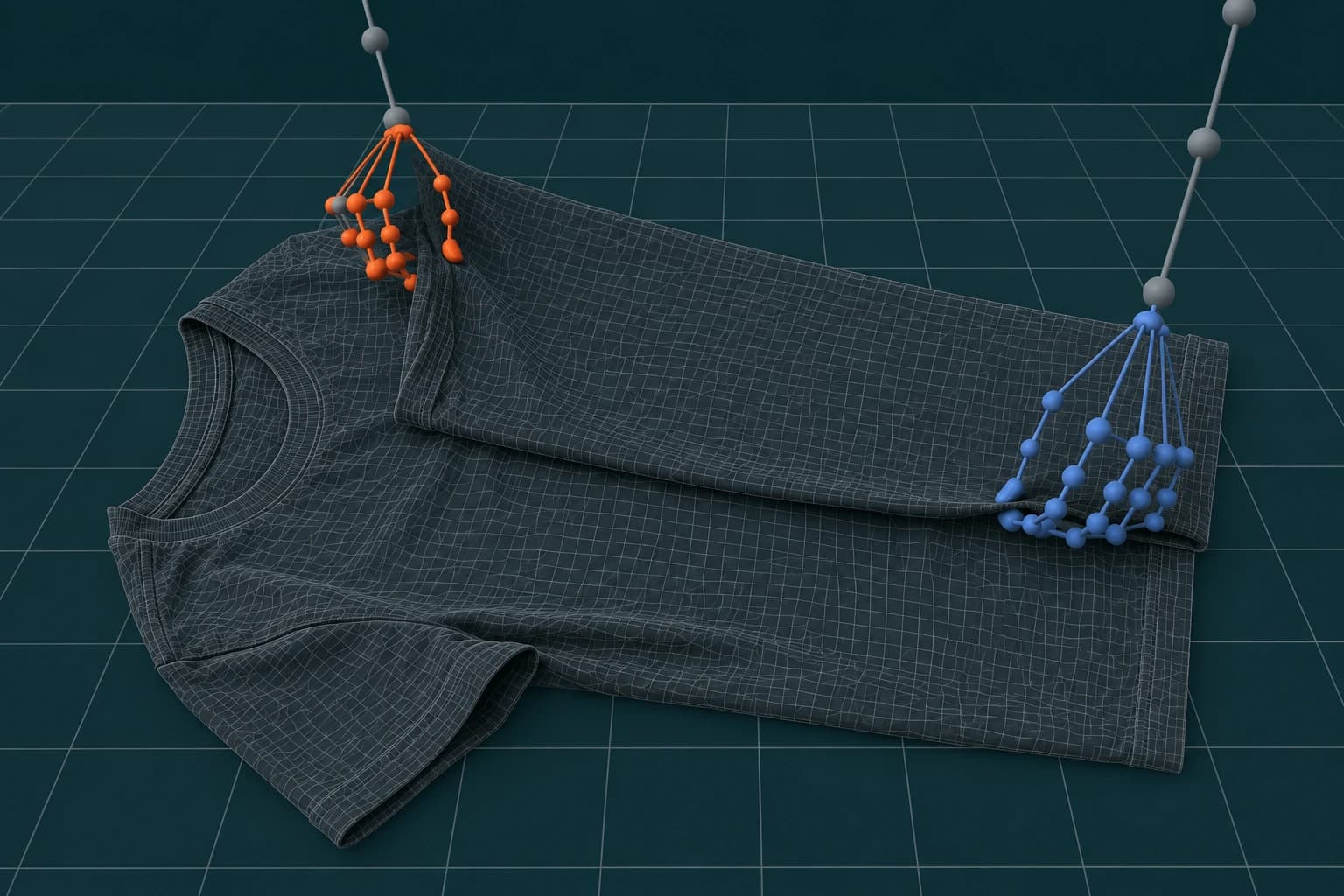

Illustrative capture and pose tracking. Each pilot starts with demonstrations of the agreed task at your hospital.
From workflow to deployment
One hospital. One workflow.
A clear measure of success.
We connect your operational needs with the data and on-site work a robotics pilot needs. Here’s what we do with your team.
- 01
Understand your floor.
Work alongside staff to understand bottlenecks, handoffs, and how the environment changes across shifts.
Start with the daily reality.
Map the workflow, the people involved, and practical constraints such as shared elevators, secure doors, and busy corridors.
You get a scoped opportunity for a pilot.
- 02
Define the task.
Choose one routine workflow together. Agree on what the robot needs to do and what a successful outcome would look like.
Set the success criteria together.
Document task requirements, the current baseline, staff involvement, and the approvals needed before capture or deployment.
You get a task specification and evaluation plan.
- 03
Capture staff expertise.
Guide staff demonstrations with our iPhone capture system, then review and label the actions, reasoning, and constraints.
Make the know-how usable.
Prepare training episodes that combine video, depth, and estimated 3D hands, with the context robotics partners need to learn the task.
Your workflow becomes reviewed training data.
- 04
Deploy and measure.
Work with your team and robotics partners to bring the agreed task onto the floor and evaluate it against the success criteria.
See what works in your hospital.
Measure task completion, time, and the help required from staff. Use the results to decide what to refine and whether to expand.
You get evidence to guide the next step.
A few things
to know.
We’re building the pilot with care. Here’s where things stand.
Ask us something elseExplore a hospital pilot
Where could your team
use time back?
Tell us about one workflow that takes time away from higher-value work. We’ll discuss what a focused pilot could look like in your hospital.
Start with a conversation.
Share your hospital or health system, the workflow you have in mind, and who would help lead a pilot. We’ll work through the fit and next steps together.
Discuss your workflowhello@opnflr.com